
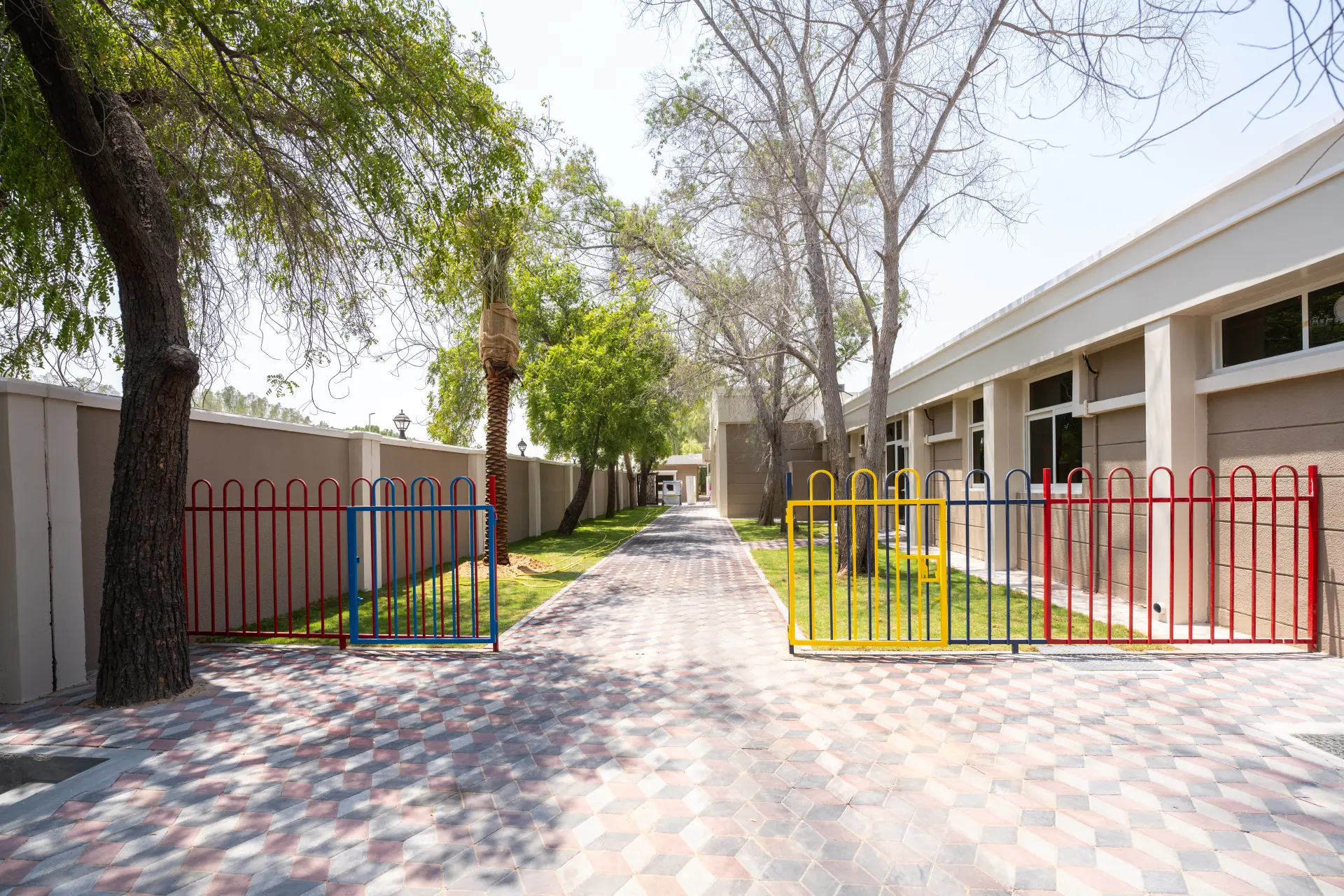
Cambridge Curriculum at PACE Springfield, Dubai
If you’re looking at English schools in the UAE and want to understand what “Cambridge Curriculum” actually means day to day, PACE Springfield in Al Awir, Dubai, describes its approach simply: the Cambridge Curriculum, guided by the England National Curriculum and the UAE Ministry of Education’s requirements. In practice, that means a broad, structured programme starting at Foundation Stage and continuing through the primary years, with dedicated Arabic teaching and English-language support built in from the start.
Here’s what that looks like at each stage.
What "Cambridge Curriculum with England National Curriculum Guidance" Means in Practice
PACE Springfield’s own description is that it offers “the Cambridge Curriculum with the guidance of the England National curriculum and the UAE ministry of Education curriculum.” In practical terms, this means the school follows Cambridge’s internationally recognised primary framework, while also drawing on the structure and expectations of England’s National Curriculum, and meeting UAE Ministry of Education requirements — including mandatory Arabic and UAE social studies content. The school describes the result as “a broad, comprehensive and balanced curriculum that promotes innovation, challenge, cultural, moral, and physical and wellbeing development.”
Foundation Stage 1 and 2: The Early Years Programme
Foundation Stage 1 and 2 (FS1 and FS2) form the entry point for the youngest children at PACE Springfield, set out in detail on the school’s own Foundation Stage FS1 and FS2 page. Learning at this stage is play-based, delivered in what the school describes as “an engaging learning environment rich with diverse opportunities,” where children “lead their learning based on their own individual interests” rather than following one fixed timetable for every child. The stage is built to develop “motor skills, foundation-level numeracy and literacy skills, and self-esteem” — the combination the school treats as the foundation for the primary years that follow.

FS1 and FS2 are structured around the seven areas of learning and development used across the programme: three prime areas — communication and language, physical development, and personal, social and emotional development — and four specific areas — literacy, mathematics, understanding the world, and expressive arts and design. Alongside these, children are taught by specialist subject teachers for Arabic, Islamic studies and PE from the Foundation Stage onward.
Primary Years: Subjects and Skills Progression
Moving into the primary years, pupils build on those foundations through a broad subject base. The school’s own materials point to coding and robotics, science and STEM, arts and design, sports, and drama and theatre as part of the wider learning experience alongside core academic subjects — reflecting the “broad, comprehensive” approach the school describes for this stage. These subjects are delivered alongside core English, Mathematics and Science teaching, building on the cross-curricular, interest-led approach introduced during Foundation Stage rather than switching to an entirely different way of learning.
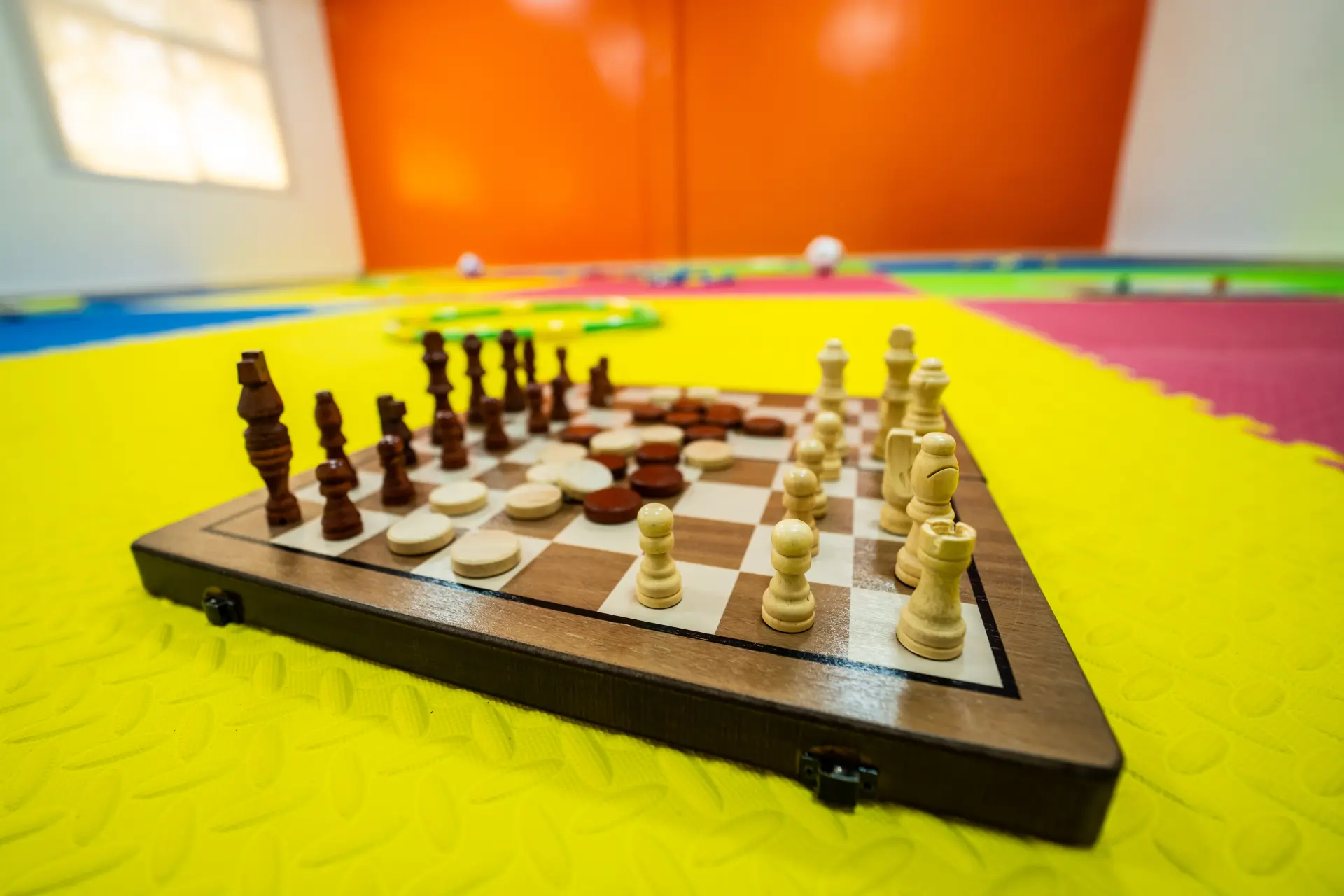
Arabic and English Language Support Built Into the Programme
Arabic is taught throughout, with separate provision designed for native and non-native speakers, and the programme is built to meet UAE Ministry of Education requirements while weaving in cross-curricular themes related to UAE culture. Alongside this, the school runs specialised ESL (English as a Second Language) programmes and classes for pupils who need extra support with English, using differentiated instruction so pupils can progress at a pace that suits them.
Why Continuity From Foundation Stage Into Primary Matters
Foundation Stage builds skills that pupils develop further in primary school. Communication and language, physical development, personal and social skills, and early literacy and numeracy provide a foundation for later subjects. Teaching methods and expectations develop as children move into Year 1 and beyond.
Fees and Enrolment at a Glance
For tuition and other payments, see PACE Springfield’s official fee page. Enrolment payments for new students and re-enrolment payments for returning students are credited against first-term tuition, rather than added to annual tuition. A separate one-time entrance fee of AED 500 applies to new admissions.
Frequently Asked Questions
What curriculum does PACE Springfield follow?
The Cambridge Curriculum, guided by the England National Curriculum and the UAE Ministry of Education’s requirements.
Is Arabic taught at PACE Springfield?
Yes — Arabic is taught throughout the school, with separate provision for native and non-native speakers, alongside UAE-culture-related content required by the Ministry of Education.
What support is available for children who don't speak English fluently?
The school runs dedicated ESL programmes with differentiated instruction, designed to help non-native English speakers progress at their own pace.
At what age can my child start at PACE Springfield?
Children can join from Foundation Stage 1 (FS1), which is the school’s entry point for its youngest pupils.
Where can I find current fee information for PACE Springfield?
See the school’s official fee page for tuition and other payments. Enrolment and re-enrolment payments are credited against first-term tuition. The AED 500 entrance fee is a separate one-time charge for new admissions.
Does PACE Springfield follow the same curriculum through every year group?
The Cambridge Curriculum framework and England National Curriculum guidance apply consistently from Foundation Stage through the primary years; ask the school directly for the current top year group taught, as this is confirmed year to year.
Book a Visit
To see PACE Springfield’s Foundation Stage and primary facilities in person, or to discuss which year group is right for your child, contact the school’s admissions team to arrange a visit. Current admissions information is also available on the school’s own website.